Circular Economy Solutions
Keep products and materials in use
Circular economy advice for Sri Lankan manufacturers and brands. Prevent waste, keep products and materials in use, and verify where they go.
Discuss this service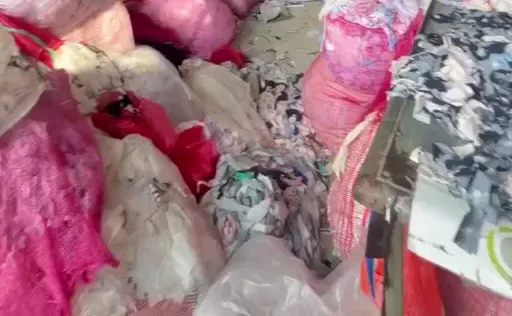
Choose a route for each material
Start by preventing surplus. Then review what can stay in use with the least reprocessing, what needs repair, and what a recovery partner can accept.
-
Retain saleable stock
Review surplus and returns by condition, owner and sales channel. Where approved, restore stock to saleable inventory or choose a controlled resale route.
-
Repair or remake
Set quality and safety checks for repairs. Use sound panels, trims or offcuts in a remake trial where the design, labour and end use make sense.
-
Prepare for material recovery
Separate production offcuts by fibre blend, colour and contamination. Test a representative batch against the receiving facility’s specifications.
-
Verify the destination
Link batches, weights and transfer records to the receiving facility and confirmed treatment. Record rejected loads and unresolved destinations separately.
What’s included
CeCycle helps organisations map material flows, improve sorting and compare reuse, repair and recovery routes. We help set acceptance criteria, define what each partner needs to document and design a pilot that operations and sustainability teams can review together.
Watch material recovery in practiceExample deliverable
A circularity plan your team can use
A baseline material-flow map, route options by material and condition, a partner evidence checklist, and a pilot plan with owners and measures.
Run a one-stream pilot
Select a stream such as cotton-rich cutting offcuts. Weigh it at the source for a representative period, test a collection and recovery route, and reconcile dispatched and accepted quantities. Review quality, cost and destination evidence before expanding.
Circular economy field guides
-
Measure resource efficiency before changing a factory process
Use a Resource Efficient and Cleaner Production baseline to track energy, water and material losses and test one improvement on comparable shifts.
-
How to verify where recovered materials go
Build a batch-level record that connects dispatch, acceptance and treatment, with a worked example of how to reconcile weights.
-
What to do with apparel surplus, returns and offcuts
Use condition, fibre composition and brand approvals to choose a route for finished garments, damaged items and production offcuts.